
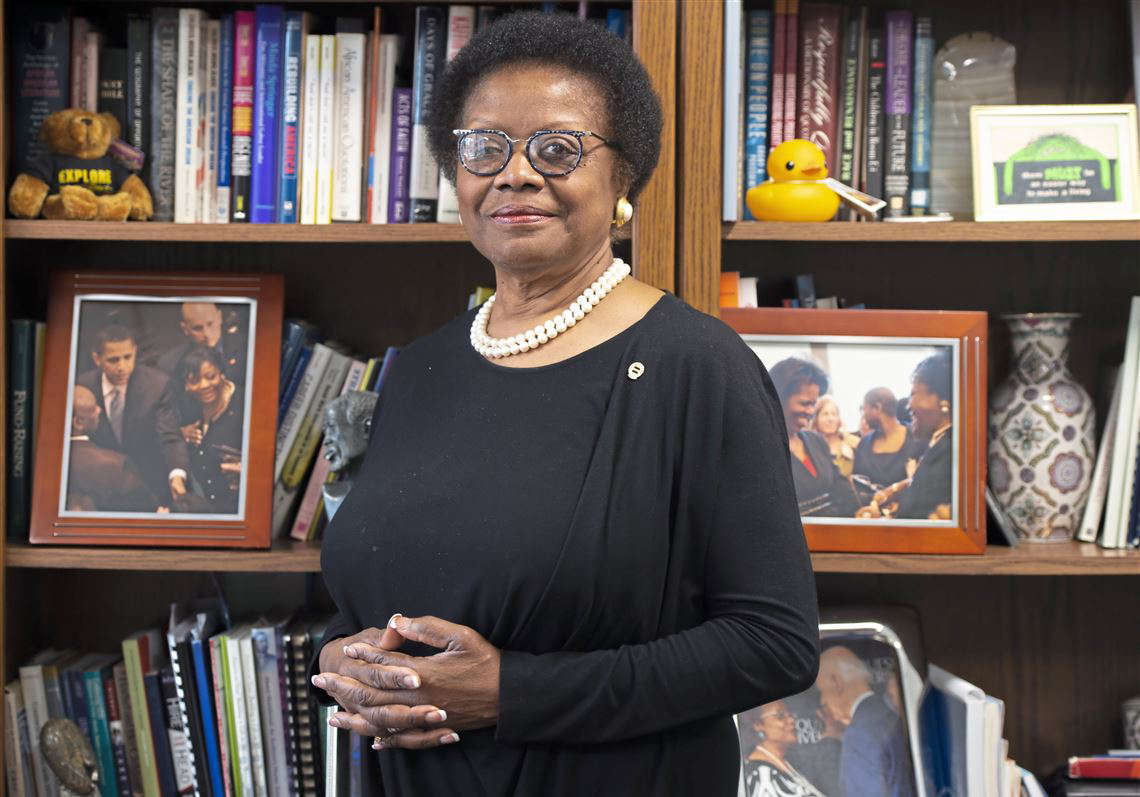
ESTHER L. BUSH
Esther L. Bush, Interim President and CEO of the Urban League of Greater Pittsburgh discusses why Black mental health matters, including replacing stigmatizing fear with love and compassion.
Q: How does the Urban League help Black community members prioritize their mental health as much as their physical health?
Esther: The Urban League of Greater Pittsburgh believes that prioritizing mental health is just as critical as managing physical health — particularly in the Black community, where disparities in diagnosis and care for conditions like Alzheimer’s disease are deeply rooted in historic and ongoing inequities.
Timely diagnosis of cognitive and mental health concerns often starts with open conversations between individuals and their doctors. But that can only happen when community members feel safe, seen, and empowered in those settings.
We strongly encourage Black adults — especially as they age — to talk with their doctors about memory, mood, stress, and any brain health questions or difficulties they may have.
Caring for your mind is caring for your future. We believe in creating trusted spaces where people feel safe. That includes our partnerships with churches, community centers, and initiatives like the Faith-Based Health Collaborative. In these places, people can feel confident addressing their mental health without fear or stigma.
Q: How do we, as a community, address how important it is to stop perpetuating stigma against mental disorders?
Esther: Stigma remains one of the biggest barriers to Black adults receiving the brain and mental health care they need. However, we believe that stigma can be dismantled through community strengths and storytelling.
The Urban League urges individuals not to let shame or outdated beliefs prevent them from seeking care. Getting support is a sign of strength, not weakness.
At the same time, we call on the broader community to actively reject and stop spreading stigmatizing messages about mental health. We must speak openly about memory loss, dementia, depression, caregiving, and other challenges — not in whispers, but in strong, supportive voices.
By uplifting personal stories, celebrating cultural resilience, and ensuring our elders and caregivers feel valued and understood, we can replace fear with action and silence with compassion.
Together, we can build a future where every member of our community knows that their mental health matters and they’re not alone.

