Allegheny County’s public transit system is preparing for drastic service cuts, short of a state windfall. Local riders share about their anticipated disruption.
“PublicSource is an independent nonprofit newsroom serving the Pittsburgh region. Sign up for our free newsletters.”
Gina Chmura

In the quiet hours of the morning, just after sunrise, Gina Chmura leaves her home and walks to the bus stop on Lowrie Street in Troy Hill. She does this most weekday mornings to catch the Pittsburgh Regional Transit 4 line to Downtown.
She has relied on buses running through her neighborhood for decades. Now, the 4 is the only line remaining. It is also one of 41 transit lines slated to be eliminated by PRT in 2026 due to an impending “funding crisis.”
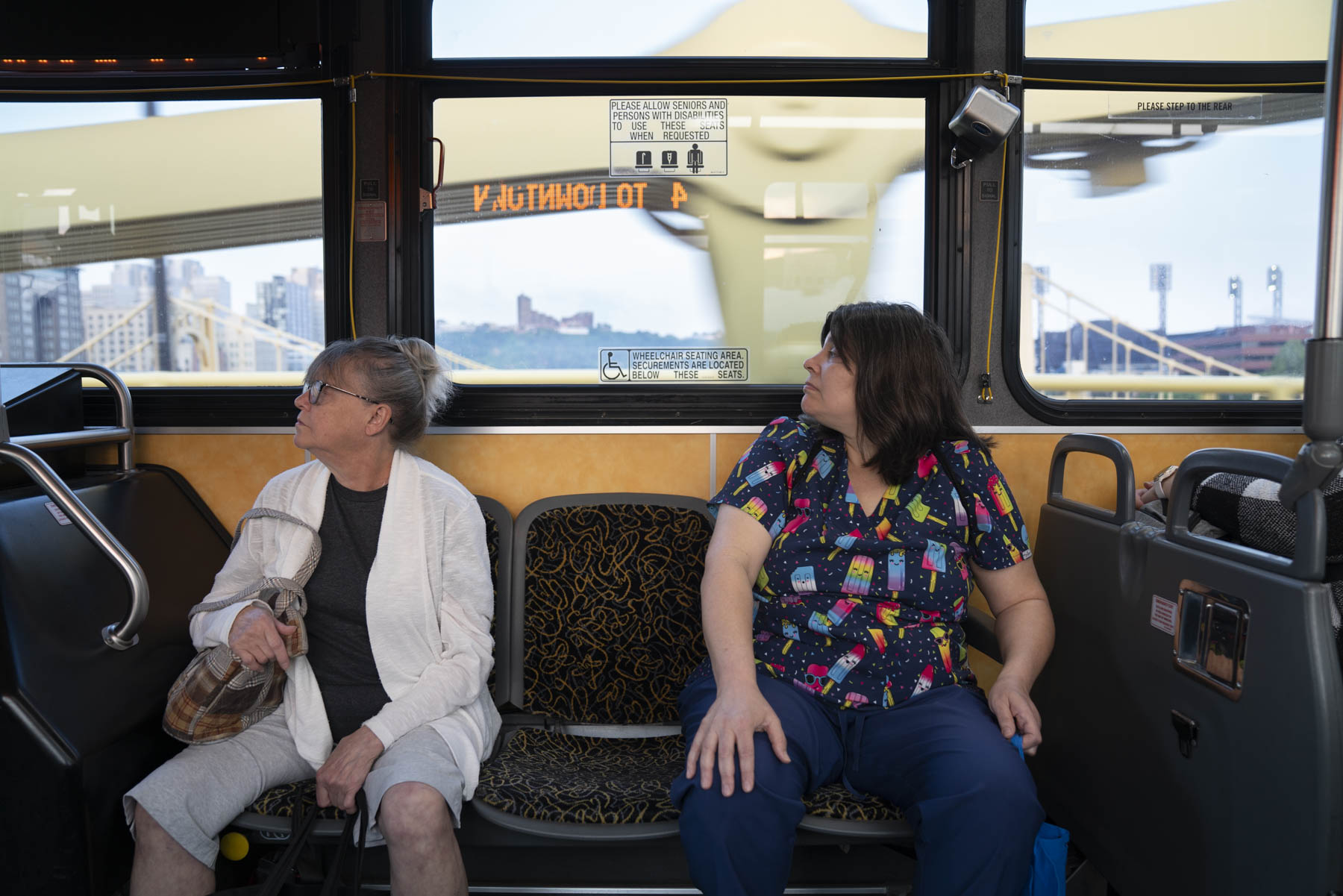
Working as a biller at a doctor’s office at UPMC’s St. Margaret Lawrenceville Family Health Center, Chmura takes a roundabout route into work, first going Downtown on the 4, and then transferring onto the 91 to get to Lawrenceville. Still, it’s the best car-less option available.
“It’s like I do a horseshoe bend, but that’s the only way I can get to work,” she said.
Walking to Lawrenceville is difficult, especially given Troy Hill’s steep terrain. To walk there from her home, she would need to use the wide, steep steps on Rialto Street. “It’s hard to walk up and down them,” Chmura said.

If the 4 line gets eliminated, Chmura plans to borrow her son’s car on the days he’s not working, and otherwise catching a ride from her husband on his way to work. Overall, she would most likely work more days from home.
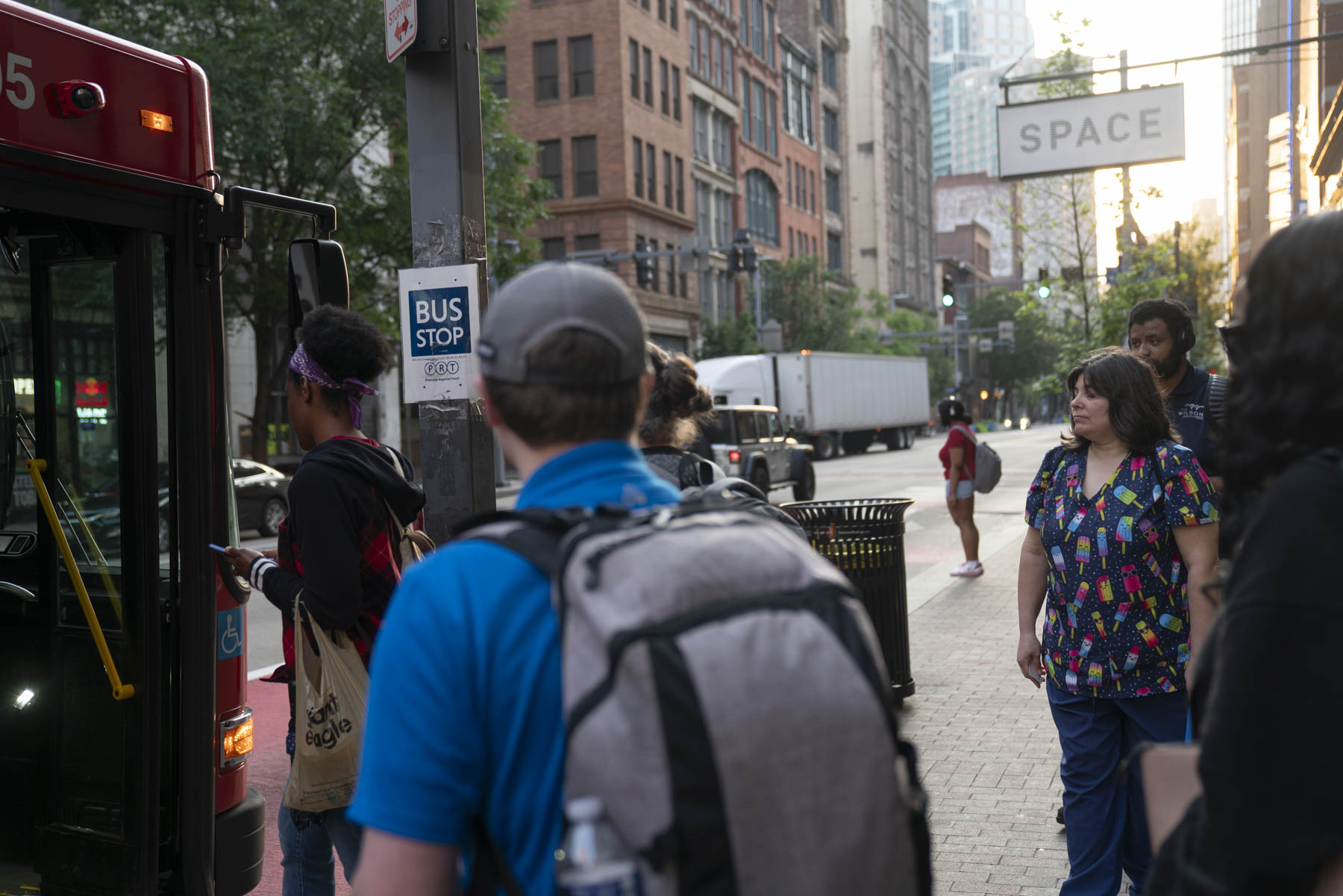
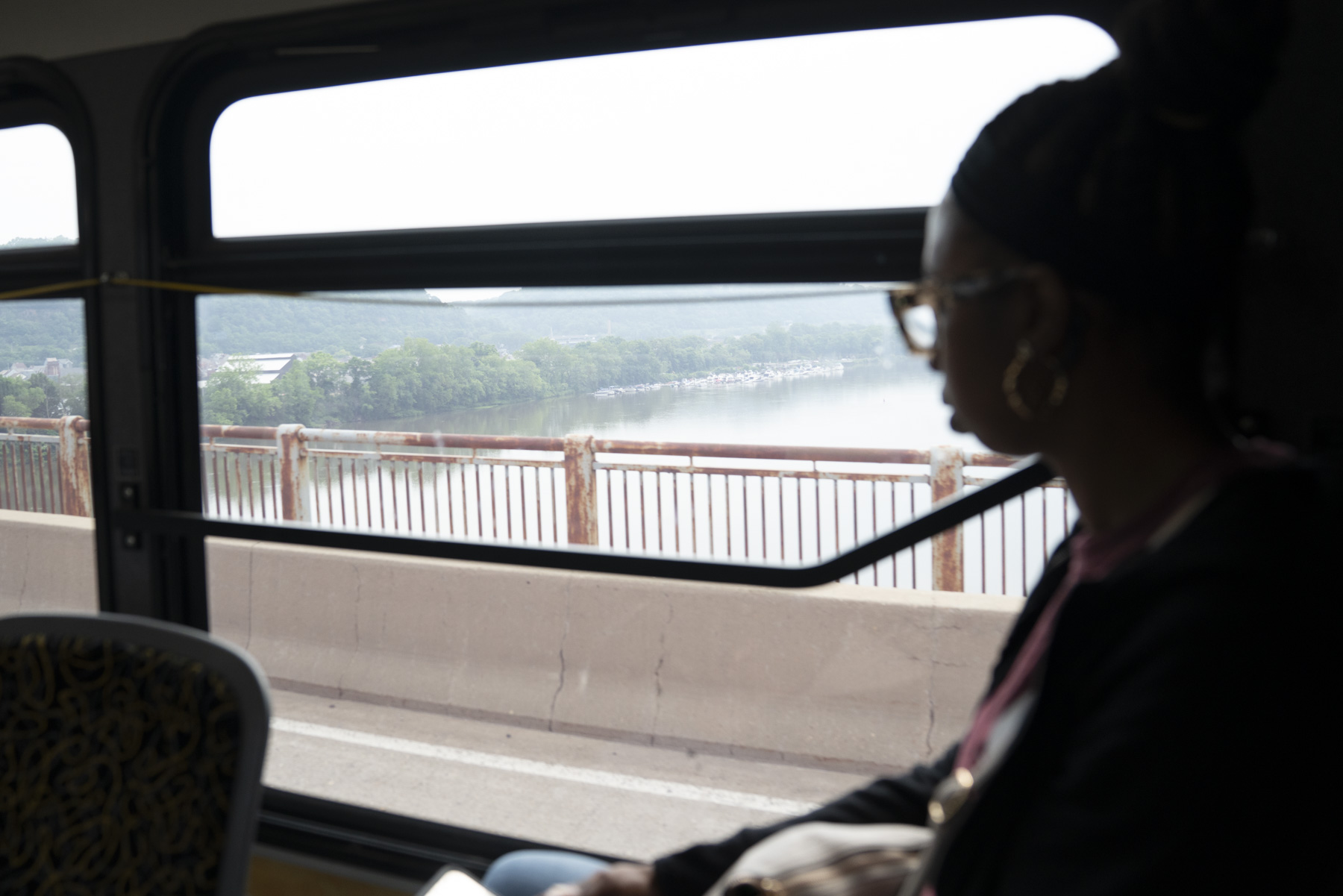
Chmura also talks up the social and developmental benefits of public transit. “My children were always out and about with the bus,” she said. Riding PRT buses has given her better knowledge of Pittsburgh, and she learns about different neighborhoods “by driving through them and looking out the window.”
What some Downtown transit riders say about looming bus cuts
Kristen Green
Kristen Green has been riding PRT buses for 20 years. The Pittsburgh native has never owned a car and buses have always been her main form of transportation. Through her frequent ridership, she’s gotten to know a lot of the bus drivers. “I”ve become friends with so many of them ’cause I see them all the time,” said Green.


Green takes the 52L or 53L from Homestead to Downtown and then takes the 91 to her job at the Giant Eagle in the Waterworks Shopping Center in O’Hara. The commute usually takes around 45 minutes to an hour. However, with both the 52L and 53L at risk of being eliminated, her ride may soon get longer. “I can get the 61c [to work], I’ll just have to leave my house way earlier,” she said.
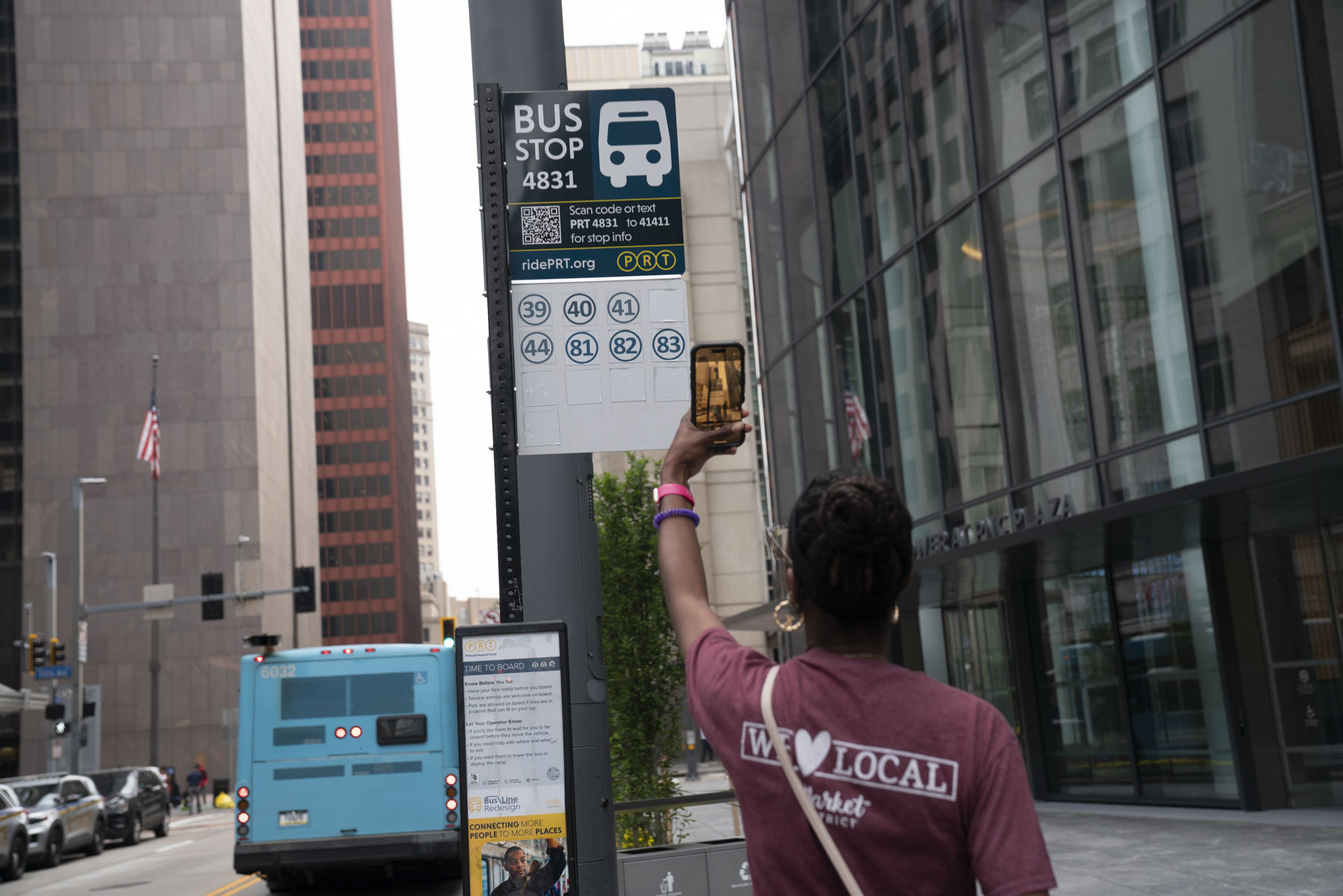
This summer, Green is also working three hours a week as a 2025 Mon Valley Transit Organizing Fellow for Pittsburghers for Public Transit [PPT]. Members of the program learn about transit infrastructure and ride different bus lines with other PPT members to see what could be improved, such as adding more shelters to existing bus stops.
“We’re trying to find ways to make transportation better for everybody,” said Green. PPT is one of the organizations supporting the “Transit for All PA!” campaign, which aims to reallocate funding to sustain and improve transit across the state.
On June 17, the Pennsylvania House approved Gov. Shapiro’s budget proposal, which includes $40 million to PRT to address its $117 million deficit. It must still clear the Senate before becoming law.
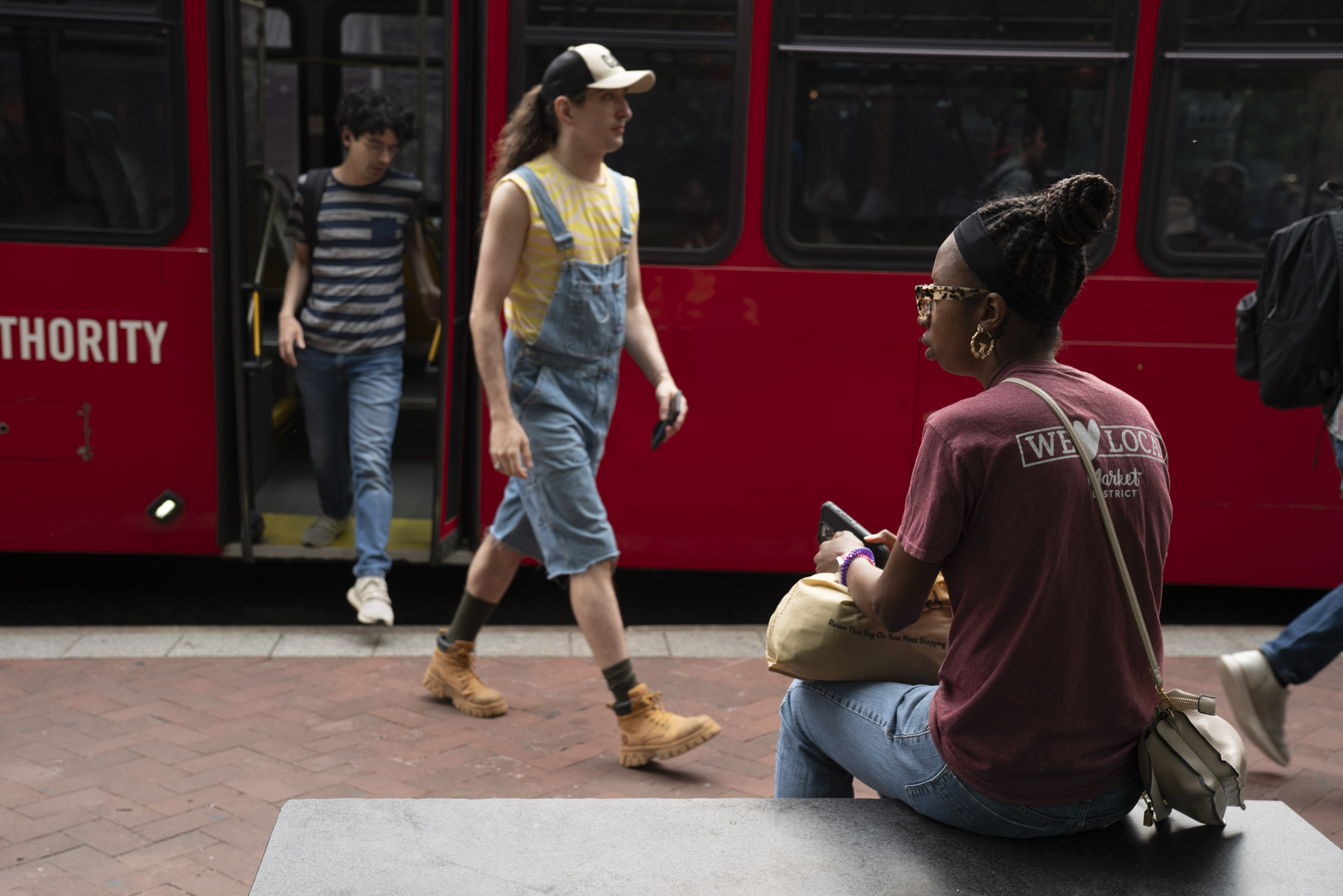
Along with the proposed cuts making commuting more difficult for riders like her, Green fears it could lead to declining service quality across the board. “Transportation is a lifeline,” said Green. “I depend on it and so many others do, too.”
Caleb Kaufman is a photojournalist at PublicSource and can be reached at caleb@publicsource.org and on instagram at @caleb_kaufman_photography
This article first appeared on PublicSource and is republished here under a Creative Commons Attribution-NoDerivatives 4.0 International License.
About Post Author
