Gene Walker (Photo by Stephanie Strasburg/PublicSource)
New board members support the district’s plan to close some schools but push for increased transparency and greater community engagement in the process. Consolidation’s most prominent supporter was stuck in a nail-biter.
“PublicSource is an independent nonprofit newsroom serving the Pittsburgh region. Sign up for our free newsletters.”
Walker has been vocal about his support for the administration’s plan to reconfigure the school district. His views and approach have met with criticism from families who have sought deeper community engagement before voting on a plan. Walker, on the other hand, has reiterated that the district can move forward sooner.
Allie Petonic, a researcher for the United Steelworkers and vying for Walker’s District 1 seat, was the only board candidate who did not fully support the proposed school closures plan and argued that the current community engagement process created barriers for public participation.
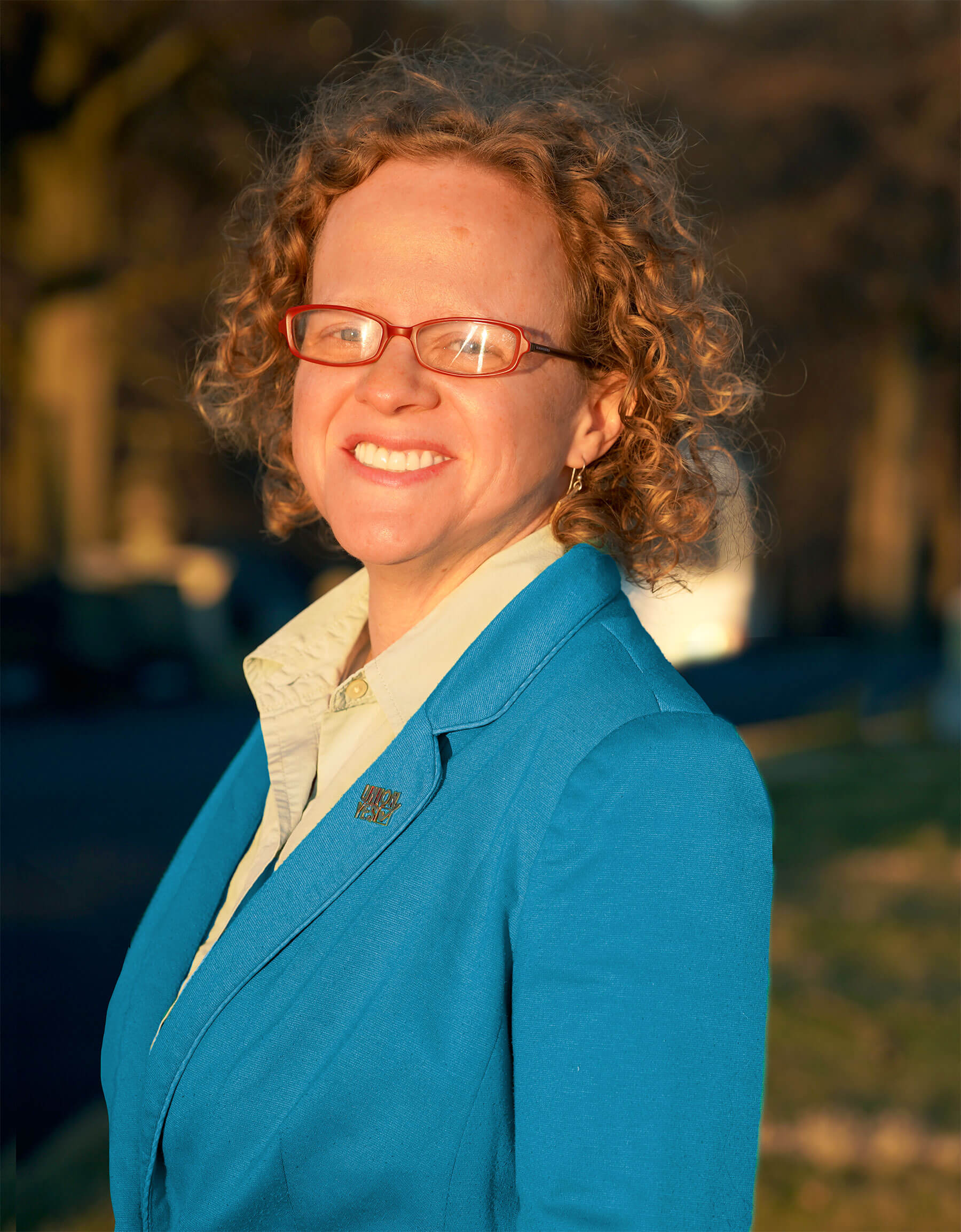
Neither candidate could be reached for comment by the time of publication Tuesday night.
Three new members are set to join the Pittsburgh Public Schools board, alongside Walker or Petonic.
Five board seats were up for election this year. Board members Sala Udin, Jamie Piotrowki and Sylvia Wilson were not running for reelection.
The results:
- Retired educator Tawana Cook Purnell bested chef Carlos Thomas in District 1, currently held by Sylvia Wilson.
- Erikka Grayson, director at Early Excellence Project, beat Tonya Fores for the District 3 seat, held by retiring Sala Udin.
- Eva Diodati, library services associate at the Carnegie Library in Hill District, won the District 7 seat, currently held by Jamie Piotrowski and also sought by Mahdi Bey, constituent services advisor at Pennsylvania House Democratic Caucus.
- Incumbent Tracey Reed ran unopposed and claimed the District 5 seat.
All board candidates have expressed support for greater transparency and more resources in the district’s under-resourced schools. Most also backed the plan to resize and reconfigure the district, which includes potential school closures, but acknowledged the need for stronger community engagement throughout the process.
Grayson said she wants more collaboration with the community by engaging them through community listening sessions, forums and local nonprofits to understand the district at a holistic level.
“I want to make sure that we are taking accountability when it comes to making sure that all of our kids are given the right type of equitable education for their schooling, that every ZIP code, no matter where everybody lives, has the same equitable education,” she said.
The next few years are critical for the district as it grapples with declining enrollment and increased overhead costs of maintaining old buildings. Although no school closures will take place in the 2025-26 school year, the board is expected to vote on a list of schools to shutter by the end of this year.
This means the newly elected board members will be responsible for implementing closure plans and guiding the district’s efforts to stabilize finances, improve student outcomes and address the inequities across schools.
Reed, who said her decision to run again was driven by her wish to see through the implementation of the Facilities Utilization Plan, reiterated the need to change the district’s footprint in order to provide equal opportunities to all students.
“I think we have to make decisions based on good practice and not things that are necessarily popular,” she said, adding that the district needs to rethink certain programs like the Gifted Center.
The district administration is currently working on defining its five-year strategic plan goals, including measures to improve student outcomes. In February, the school board adopted a framework called Student Outcome Focused Governance in an effort to improve test scores and graduation rates. The incoming board members will oversee the rollout of these goals in the years ahead.
While candidates have affirmed their commitment to raising academic performance, many said they would prioritize “whole-child development” rather than focus solely on test scores. The district held 12 community listening sessions in the last couple of months, seeking input for shaping its goals.
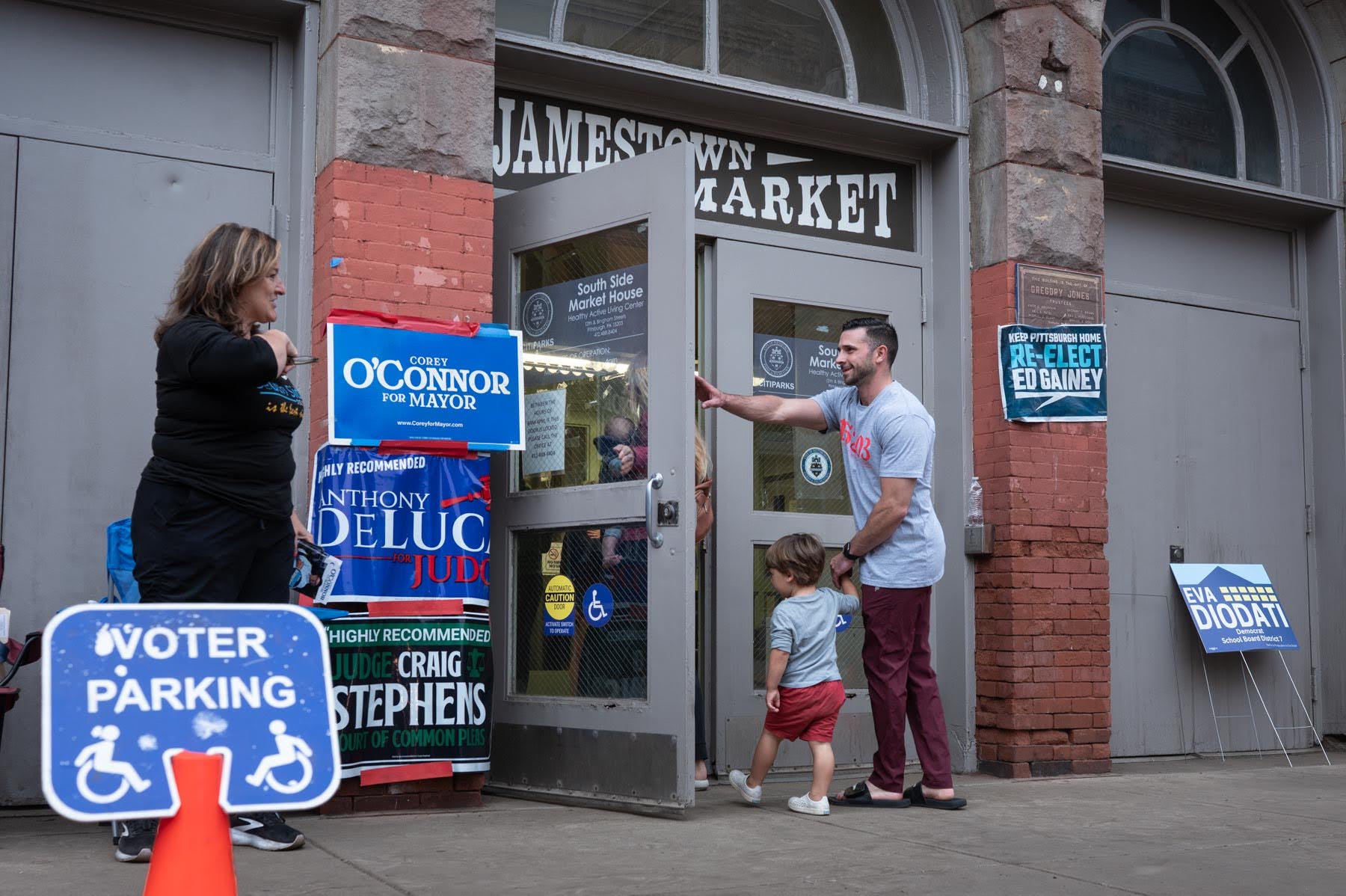
The district continues to lose students every year, as many opt for charter schools. PPS paid $170 million in charter school tuition in 2025. The school board would be tasked with drafting a budget that could face a nearly $20 million operating deficit by 2027.
Candidates have yet to offer specific plans to reverse enrollment trends but have advocated for expanding community schools and increasing district resources. Some have also called for lobbying state lawmakers to secure more funding and end the diversion of a portion of the district’s earned income tax to the city.
Lajja Mistry is the K-12 education reporter at PublicSource. She can be reached at lajja@publicsource.org.
This article first appeared on PublicSource and is republished here under a Creative Commons Attribution-NoDerivatives 4.0 International License.
About Post Author
