
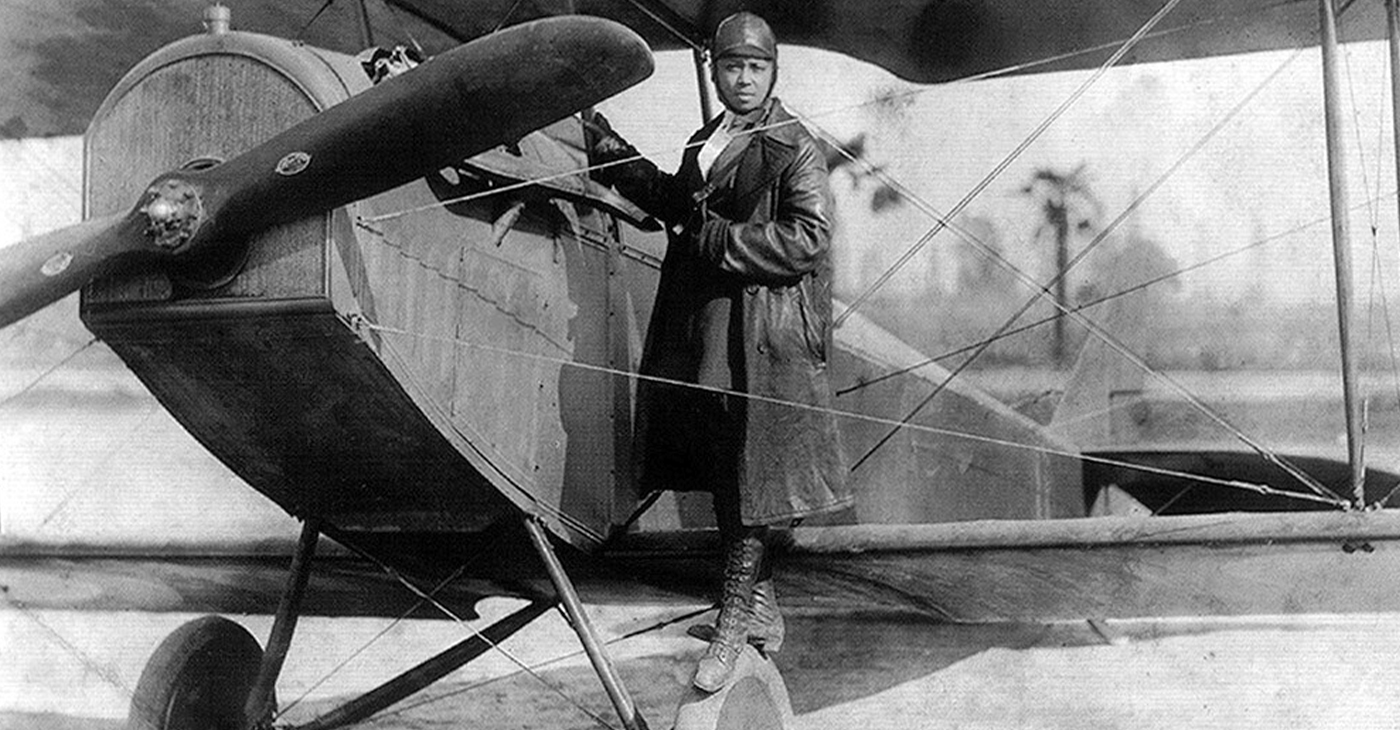
BESSIE COLEMAN
-
JUNE 12
1840—The world’s first anti-slavery convention took place in London, England. The aim of the gathering was to unite abolitionists worldwide. However, the effectiveness of the convention was harmed by a decision to exclude female delegates.


1886—The Georgia Supreme Court upholds the will of former slave owner David Dickson who had left more than $300,000 to a child he fathered by raping a 12-year-old Black girl. The ruling made Amanda America Eubanks the wealthiest Black person in America. She would later marry one of her White first cousins.
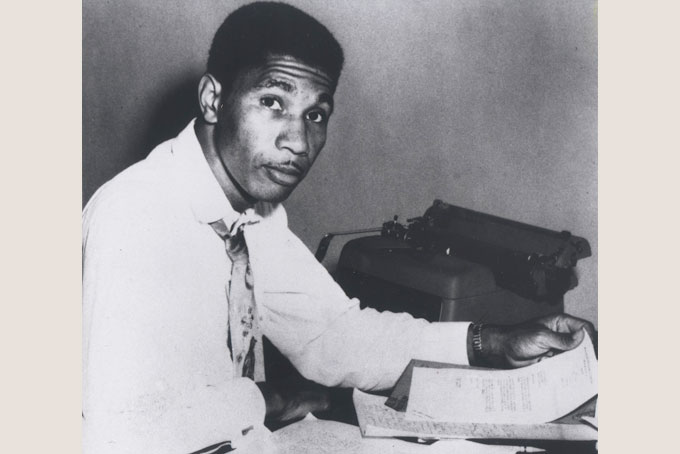

1963—Medgar Evers, Mississippi field secretary for the NAACP, was assassinated in front of his home by White supremacist Byron de la Beckwith. All-White juries twice refused to find De la Beckwith guilty although the evidence was overwhelming. Finally, in 1995, Beckwith was convicted of killing the civil rights activist. Beckwith died in prison in 2001.
-
JUNE 13
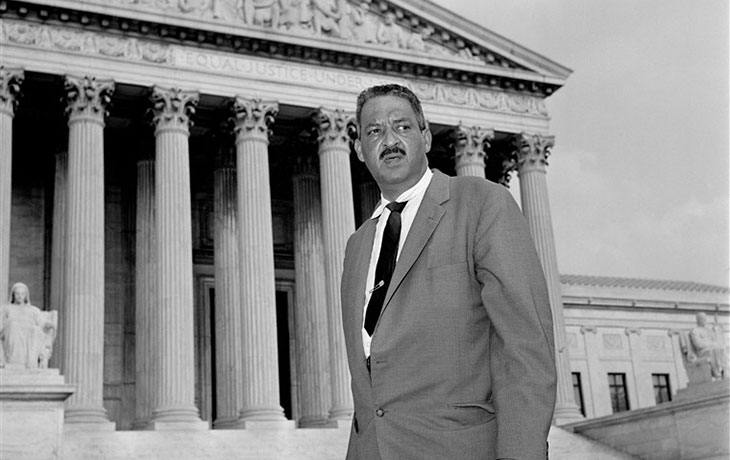

1967—President Lyndon B. Johnson nominates former NAACP Chief Counsel Thurgood Marshall to be the first Black justice on the United States Supreme Court. He said of his decision, it “was the right thing to do, the right time to do it.” Marshall had been a towering figure in the legal battles against segregation including lead counsel in the historic Brown v. Board of Education case. The Senate would confirm the nomination Aug. 30. An aside: Marshall’s original name was Thoroughgood but he shortened it to Thurgood.
-
JUNE 14


1811—White anti-slavery activist Harriet Beecher Stowe is born. Stowe was the author of one of the best-selling books of 1852—“Uncle Tom’s Cabin.” The book addressed the brutality of slavery and featured the character of “Uncle Tom”—a slave who, perhaps unfairly, came to symbolize the accommodating Black person who showed complete deference to Whites. The book was such an indictment of slavery that when President Abraham Lincoln met Stowe he remarked, “You’re the little woman who wrote the book that started this great [civil] war.”

1970—Cheryl Adrienne Brown wins the Miss Iowa pageant and becomes the first African American to compete in the Miss America beauty pageant.
-
JUNE 15
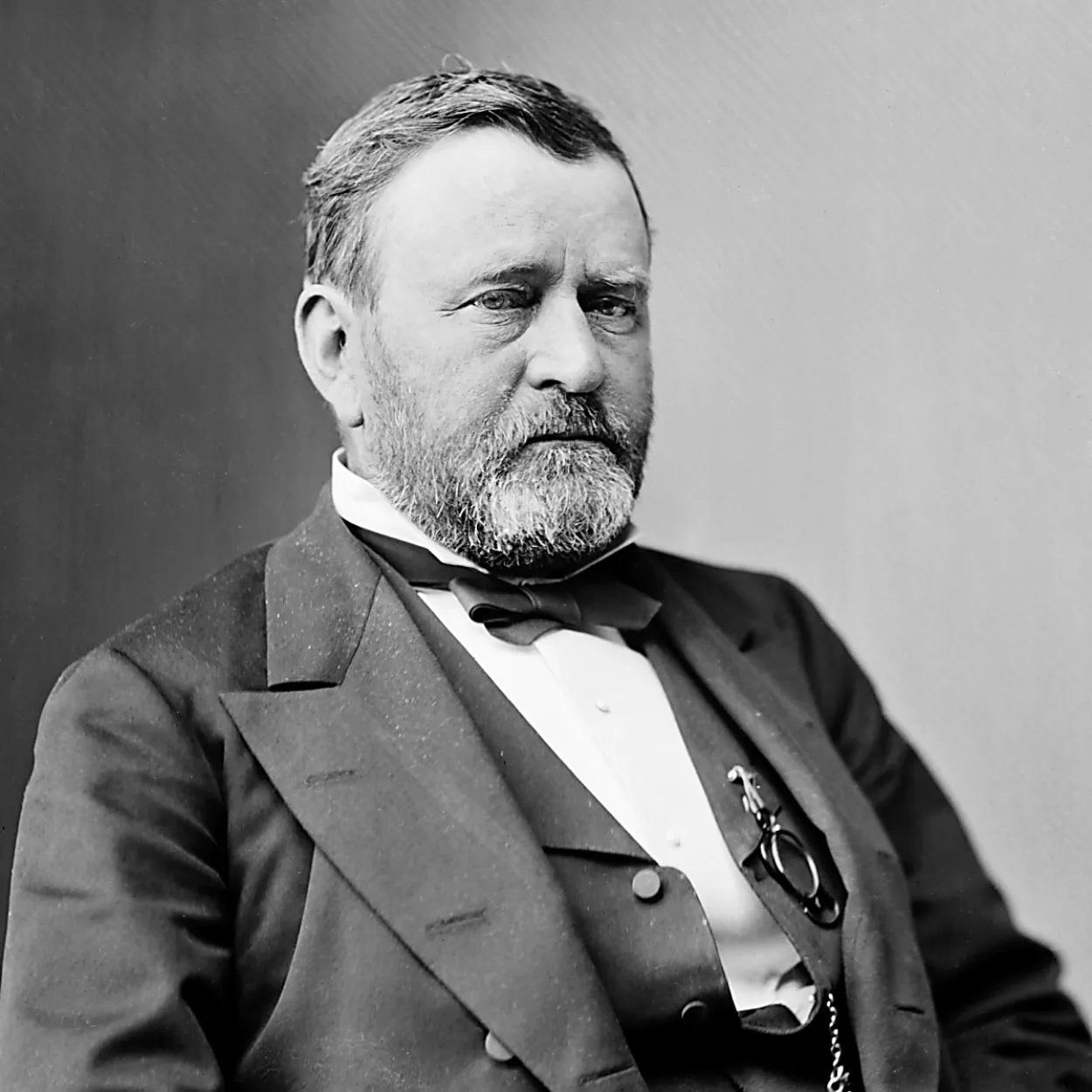

1864—Gen. Ulysses S. Grant outfoxed Confederate Gen. Robert E. Lee by switching an attack strategy from Cold Harbor to Petersburg, Va. The assault, spearheaded by Gen. Charles Paine, knocked a mile-wide hole in Lee’s defenses and resulted in the capture of hundreds of rebel soldiers and helped speed up the end of the Civil War. Several Black regiments were involved in the assault and siege. Grant would later become the 18th president of the United States and use his office to deal a series of crushing blows to the rapidly growing forces of the Ku Klux Klan in the 1870s.
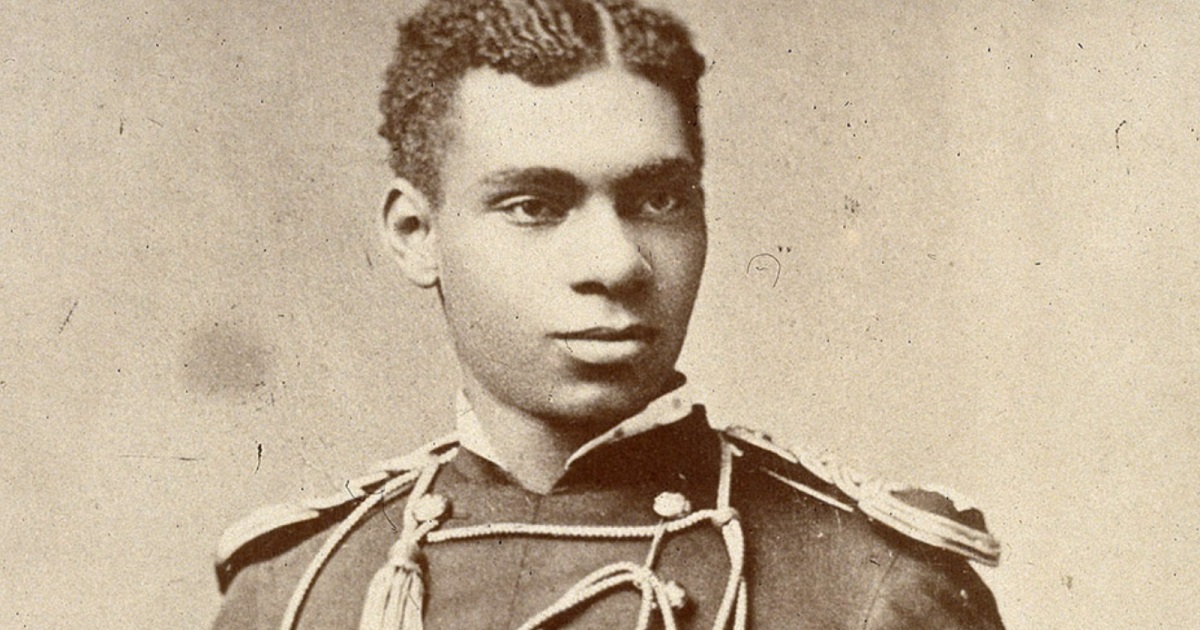

1877—Henry O. Flippea becomes the first Black graduate of the U.S. military academy at West Point.
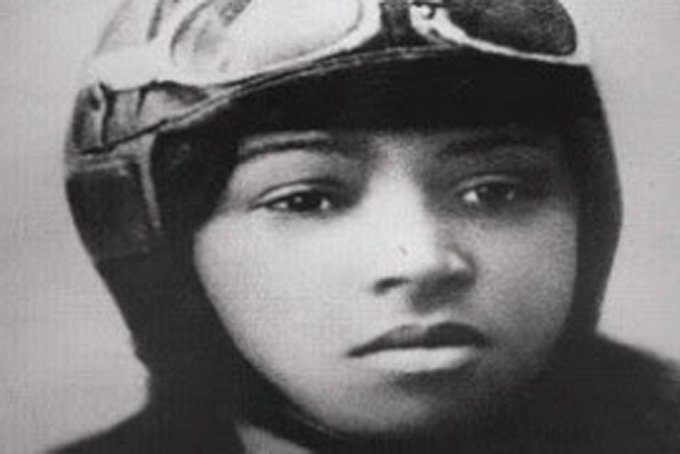
1921—Bessie Coleman becomes the first woman of any race to obtain an international pilot’s license. But she had to leave the United States and study in France in order to accomplish her goal. She was barred from U.S. flight schools because of her race and her sex. Born in a small town called Atlanta, Texas, Coleman would move to Chicago where she was influenced by several prominent Blacks including Robert S. Abbott, publisher of the Chicago Defender. When she returned to the U.S. from France, Hollywood wanted to do a movie about her amazing feat. She walked off the set because she felt the film actually degraded Blacks. Coleman died in a plane accident April 30, 1926.
-
JUNE 16
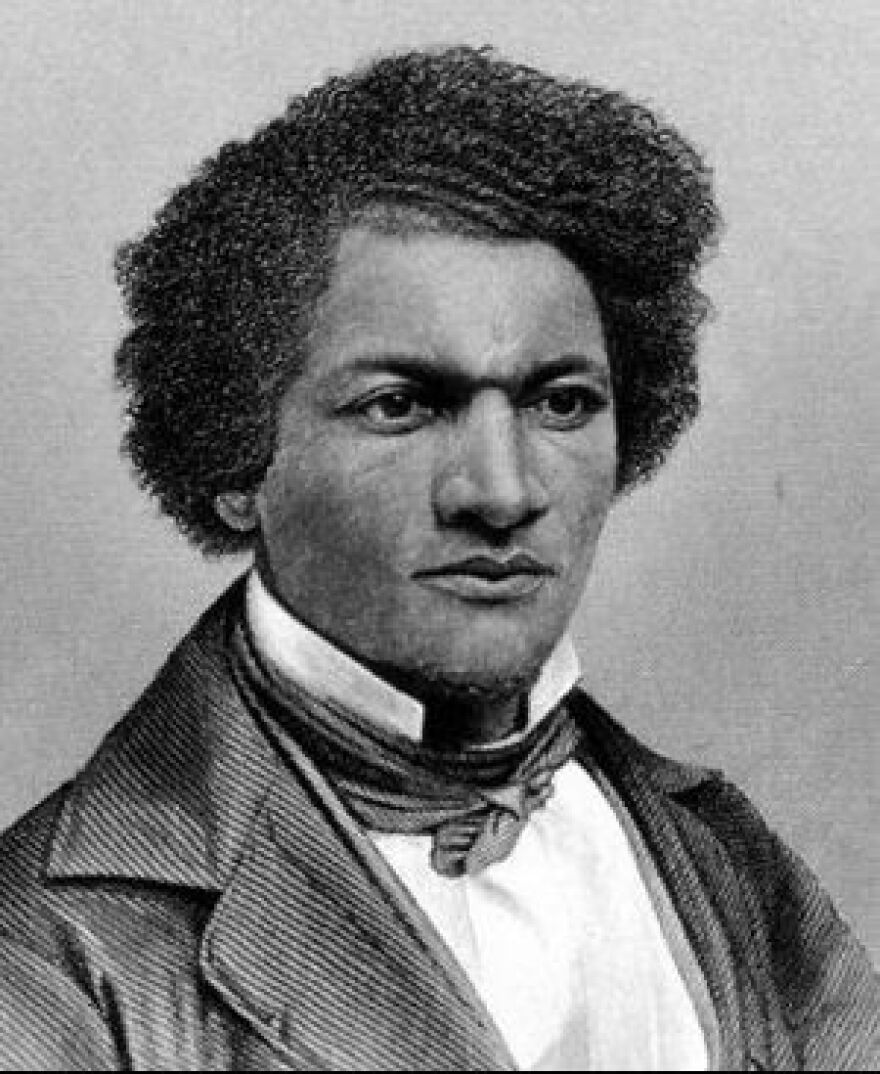

1822—This was the rumored start date of the Denmark Vesey-led slave revolt in the Charleston, S.C., area. Vesey, a former slave who had bought his freedom, had organized what is still believed to be the largest and most comprehensive slave revolt in American history. Aware of how “house slaves” tended to be loyal to their slave masters, Vesey had given strict orders that none were to be included in the plot. But so many Blacks (both slave and free) were involved that word eventually leaked out and just as Vesey feared, a house slave told the authorities. Military forces were moved into the city and scores were arrested. Thirty-five Blacks, including Vesey, were hanged. [There is some historical debate as to whether June 16 was the actual start date for the rebellion. There is some authority that July 14 was to be the start date. But what is clear is that military forces moved into the city on June 16 to put down the planned revolt.]
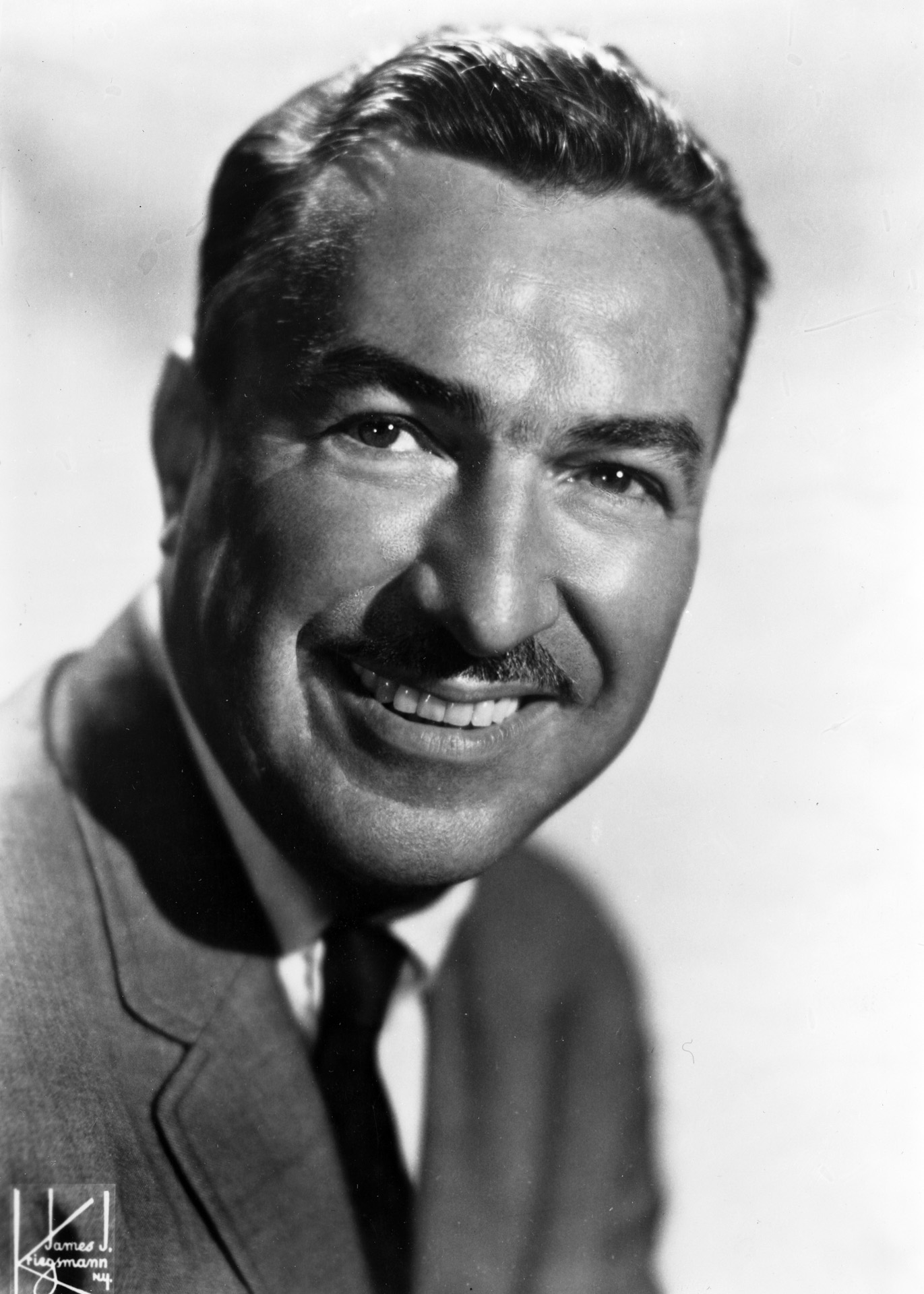

1969—The United States Supreme Court rules that the suspension of Harlem Congressman Adam Clayton Powell Jr. from the U.S. House of Representatives on alleged corruption charges was unconstitutional. Powell, who had first won election to Congress in 1945, was returned to the House but without his seniority. Powell had been one of the most powerful men in Congress. He had fought civil rights battles in New York and had followed his father as pastor of the city’s influential Abyssinian Baptist Church. He often told Blacks “Mass action is the most powerful force on earth.” He also frequently reminded his supporters to “Keep the faith, baby.”
-
JUNE 17
1775—Blacks fight in two of the major battles of America’s war of independence from England—the battles of Bunker Hill and Breeds Hill. Two of the most outstanding soldiers were Peter Salem and Salem Poor.


1871—James Weldon Johnson is born in Jacksonville, Fla. Johnson is clearly one of the most multi-talented men in Black American history. He was a poet, writer, lawyer, diplomat and civil rights activist. Johnson was one of the leading figures in the Black cultural revolution of the 1920s known as the Harlem Renaissance. He was the first African-American admitted to the Florida bar to practice law. He was the first Black executive of the NAACP. He served as one of the first Black diplomats to Latin America and he is co-author of the “Black” National Anthem—“Lift Ev’ry Voice and Sing.” He died in an automobile accident in 1938.

1928—The “Godfather of Soul” James Brown was born on this day in Pulaski, Tenn. He was also referred to as “Soul Brother Number One” and “Mr. Dynamic” for his sensational dancing. Brown died in December of 2006.


1948—Actress Phylicia Rashad is born on this day in Houston, Texas. Rashad is best known for her role as Bill Cosby’s wife in the once highly popular NBC television series, “The Cosby Show.”


1980—Tennis great Venus Williams is born in Lynwood, Calif. Venus is the older sister of fellow tennis great Serena Williams.
-
JUNE 18
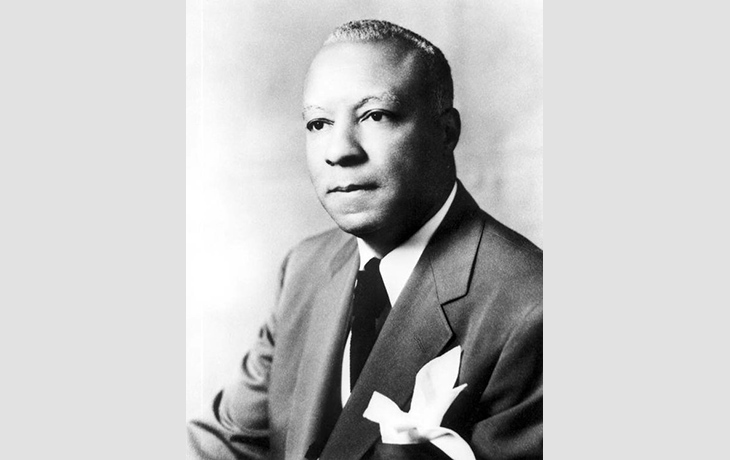
1941—Labor and civil rights leader A. Phillip Randolph initially rejects a plea by President Franklin D. Roosevelt to call off the first-ever Black-organized March on Washington designed to protest unfair employment practices by the military and the defense industry. The march was planned by Randolph, Bayard Rustin and A.J. Muste—all relatively unsung heroes of the early civil rights movement. The march was not cancelled until Roosevelt signed the Fair Employment Act. Ironically, more than 20 years later, Randolph would be one of the principal figures helping Dr. Martin Luther King Jr. organize his historic 1963 March on Washington.
1968—The United States Supreme Court bans racial discrimination in the sale and rental of housing. The decision came in a case known as Jones v. Alfred H. Mayer Co. The court used as its precedent the Civil Rights Act of 1866 to state that housing discrimination by either the government or private industry was unconstitutional.
2010—A study gains widespread publicity indicating that a growing number of Black males are abandoning Black females when it comes to marriage. The report, analyzing data from 2008, found that 22 percent of Black male newlyweds married a woman who was not Black. Meanwhile, 9 percent of Black female newlyweds married a man who was not Black. The study was compiled the Pew research Center and based on data from the Census Bureau’s “American Community Survey.” The actual report had been released in early June.