
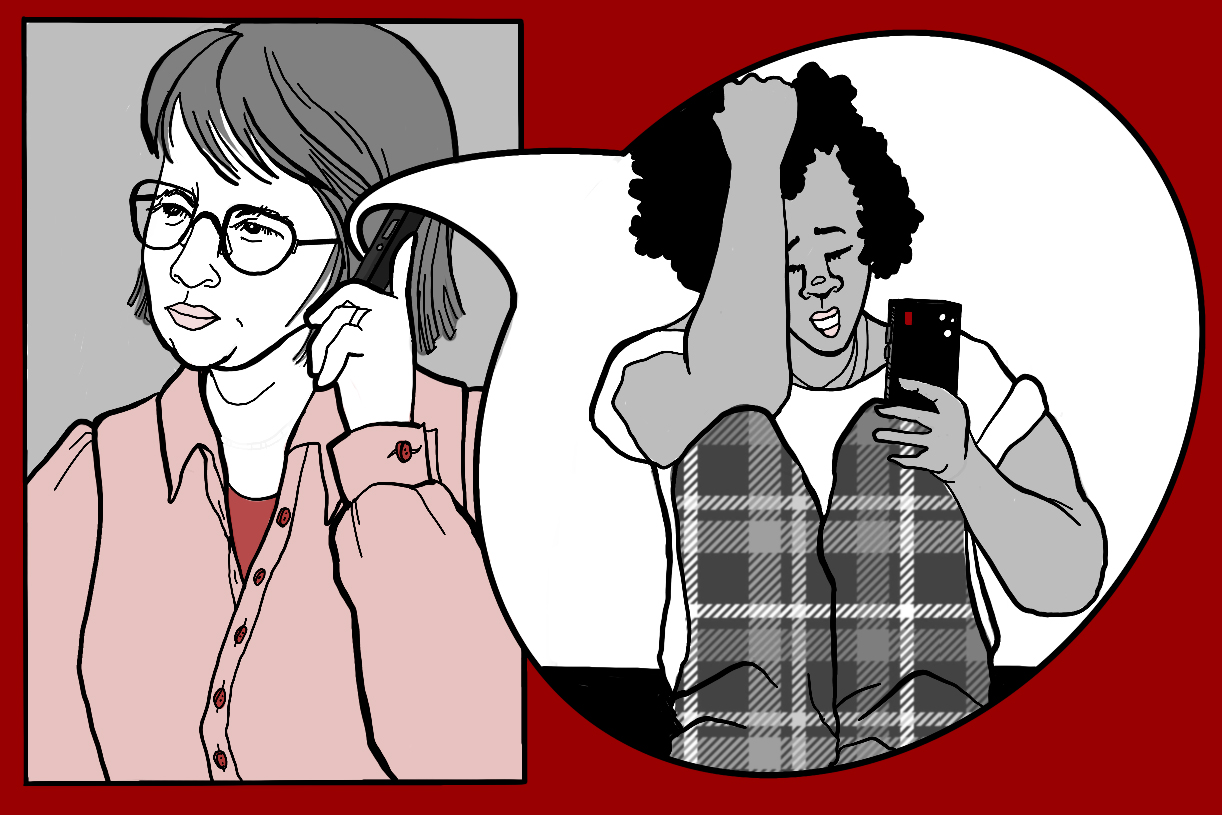
(Illustration by Andrea Shockling/PublicSource)
Having early conversations about sex and consent, ensuring your child feels comfortable confiding in you and advocating for change on campus are all helpful actions parents can take.
by Mila Sanina, PublicSource
Content warning: This story contains references to sexual violence.
Dear parents,
One day your child will grow up. They may choose to go to college. Everyone hopes that your child is safe and happy there.
But while in college, your child will face new experiences and risks that will inevitably be unexpected, uncomfortable or even traumatic. You may never learn about it. Still you can do things to prepare your offspring even before they move on to pursue a college education.
First, you should know that 13% of college and graduate students overall reported being raped or sexually assaulted through physical force, violence or incapacitation in a 2019 Association of American Universities encompassing 182,000 students from 33 schools, the most comprehensive data available. The majority of sexual assaults and harassment incidents are not reported to the authorities.
Among all undergraduate students, 26% of women, 23% of college students who identified as transgender, gender questioning or nonbinary and 7% of men experienced non-consensual sexual contact. The first semester can be especially vulnerable: More than half of sexual assaults happen in “The Red Zone,” between the start of the fall semester and the Thanksgiving break.
Because of the prevalence of sexual violence on U.S. campuses, one day your college-aged child may call you and start a conversation with: “There is something I need to tell you” and then break the news that they have been assaulted.
In hopes of mitigating trauma and raising awareness, PublicSource spoke with experts from Pittsburgh Action Against Rape [PAAR], scholars, universities and healthcare professionals and compiled some tips for caregivers and parents sending their children to colleges, especially in Pittsburgh but elsewhere as well.
How do you respond?