|
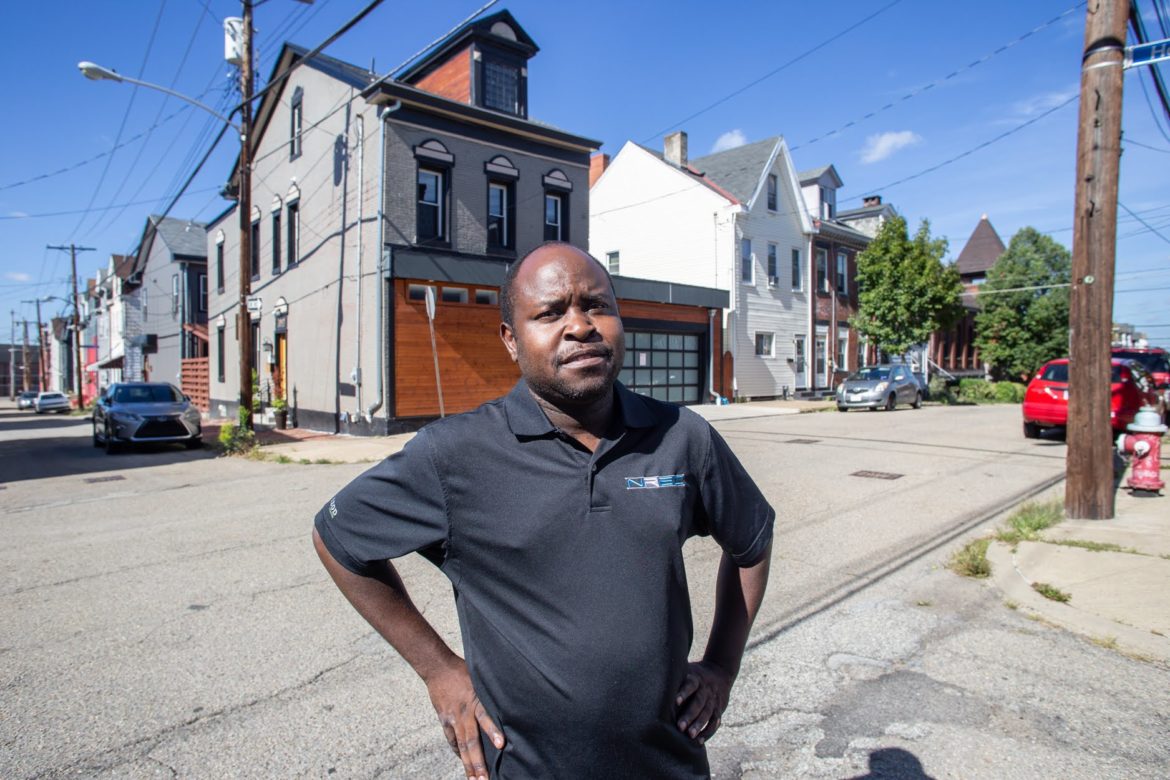
Muya, 34, came to the United States from his native Somalia in 2004. He moved with his family to a house three blocks from the park. “My friends and cousins, we all played soccer in this park,” he said.
When Muya’s family was ready to buy a house, he found an affordable one with a yard outside of the city. He commutes to Lawrenceville each day to his job as an electrician at the National Robotics Engineering Center. Most of the roughly 300 Somali Bantu refugees that called Lawrenceville home a decade ago haven’t been as fortunate.
It is believed that all are now gone from Lawrenceville, exiled to other neighborhoods in large part by burdensome housing costs. Many of them return weekly for English and citizenship classes and to visit UPMC St. Margaret Family Health Center. For nine months out of the year, Somali Bantu children return to attend Lawrenceville schools.
About Post Author
