The hallmark of totalitarian regimes is the constant monitoring of their citizens––most ably depicted in films of Cold War eastern Europe or Nazi Germany by a uniformed official approaching a people at train or bus stations and asking, “May I see your papers please?”

After June 6, if you need some tax forms from the federal building Downtown, you’d better be able to produce “papers” that comply with Real ID Act requirements—or you won’t be allowed in.
And if you are planning to fly anywhere in the land of the free on business or vacation after Jan. 22, 2018, and still don’t have a compliant driver’s license or ID, you don’t fly, anywhere.
These scenarios would already be a problem for Pennsylvanians, had the January compliance deadline not been extended.
The Real ID Act was passed in 2005 to comply with a Clinton Era executive order to coordinate improved security at federal facilities following the 1995 Oklahoma City bombing.
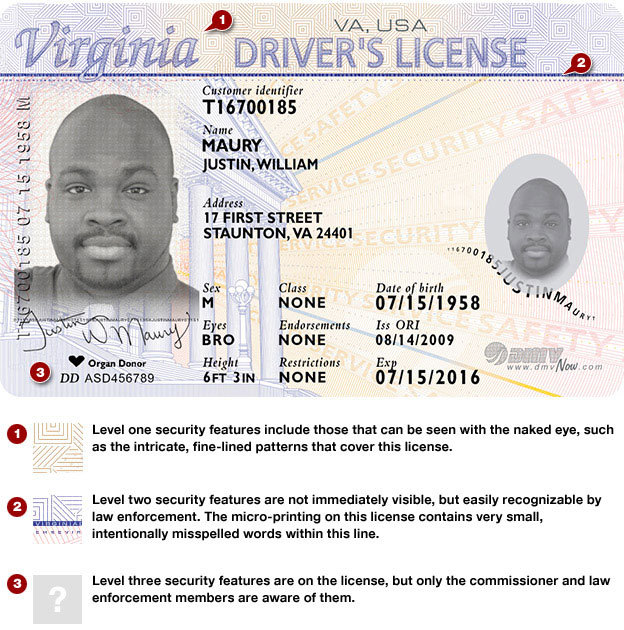
Compliant or “enhanced” IDs require a Radio Frequency Identification chip that can call up data on the cardholder when scanned. Such RFID chips can be tracked and hacked.
Calling it a “disaster for privacy rights” and citing cost estimates of $100 million to implement and $40 million annually to maintain compliance with the database requirements to track individuals, the Pennsylvania legislature–supported by the American Civil Liberties Union–passed Act 38 in 2012 that prevented the state from issuing compliant IDs.
About Post Author
