In the story of [Lewis Carroll’s] Alice in Wonderland, “the Mad Hatter is one of the members of the Mad Tea Party. He occasionally is very rude and provokes Alice during the tea party. When he is called upon by the Queen, he is very nervous and frightened.
In ‘Through the Looking Glass’, the Hatter returns in the form of the Anglo-Saxon messenger ‘Hatta’. Although everybody calls him ‘the Mad Hatter’, Lewis Carroll never actually called him that in the story. He just referred to him as ‘the Hatter’.
The phrase ‘mad as a hatter’ was common in Carroll’s time. ‘Mad as a hatter’ probably owes its origin to the fact that hatters actually did go mad, because the mercury they used sometimes gave them mercury poisoning.” (From aliceinwonderland.net)
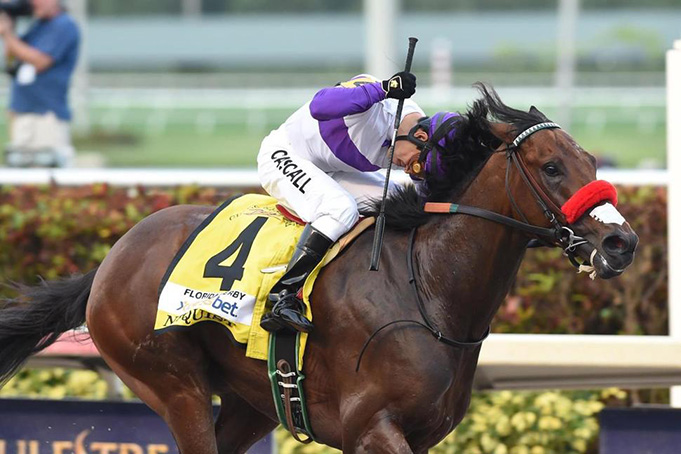
America’s most famous horse race the Kentucky Derby has more elements of fame (and infamy) when one really takes time to peel back the layers covering the history of the event.
The race itself supposedly centers on a competition featuring the finest racehorses in America: however, there is also a significant amount of attention placed on the fashions of the female attendees, particularly the hats worn by the wives as well as the significant others of those who are a part of the horse racing aristocracy.


A few of these modern day “mad hatters” seem to be pining for the good old days of pre-slave emancipation when the real “mad hatters” unknowingly worked with and ingested poisonous substances.
The “mad hatters” of the new millennium willingly ingest the toxins of hate and prejudice in order to preserve and encourage their dark and privileged way of life.

However, the race also signifies and glorifies a time in the past when the wealthy families of American society pitted their horses against each other and Black jockeys and trainers ruled the sport.
Today African Americans that train and ride the elite horses are rare and are mostly featured as stable boys’ and groomers, not as trainers and jockeys’ mirroring the horses that command a significant amount of sports media coverage.

However that was not always the case, at least not according to history.com which points out that: ”On May 17, 1875, thousands of eager horse racing fans poured through the gates of Churchill Downs to get their first looks at Louisville’s sparkling new racetrack and cheer on the thoroughbreds in the featured race, the inaugural Kentucky Derby.
Finely dressed gentlemen and ladies adorned in bright colors thronged the grandstand and hundreds of carriages filled the infield as the horses toed the line for the day’s second race. At the tap of a drum, fifteen horses thundered down the track. As excited shouts echoed across the oval, jockey Oliver Lewis spurred on his chestnut colt Aristides to a one-length victory in the fastest time ever recorded by a three-year-old horse.
That Lewis was a Black man in the sport of horse racing was of little note. In fact, 13 of the 15 riders in that first Kentucky Derby were African-Americans. In the years following the Civil War, Black jockeys dominated horse racing at a time when it was America’s most popular sport.
African-American riders were the first Black sports superstars in the United States, and they won 15 of the first 28 running’s of the Kentucky Derby. For centuries, Southern plantation owners put slaves to work in their stables. Slaves cared for and raced their masters’ horses. They served as riders, grooms, and trainers and gained a keen horse sense from spending so much time in the stables.
After emancipation, African-Americans continued to rule Southern race circuits while White immigrants from Ireland and England predominated in the North.”
Horse racing, professional baseball, professional football like most of the American sports did not begin as segregated sports but evolved into racially biased events as the sports became more economically and socially viable changing from rural countryside events to pacify the working class with one day per week of recreation during the beginning of the industrial age to urban games of chance becoming major news and profit generating events.

When I see hats being paraded as one of the opening acts of the Kentucky Derby I think of the Stephen Foster anti-slavery composition: “My Old Kentucky Home.” “’Tis summer, the darkies are gay. The corn top’s ripe and the meadows in the bloom, where the birds make music all the day. The head must bow and the back will have to bend wherever the darky may go.”
I am also reminded of another song recorded by Bruce Hornsby, who is a White American and his former group, the Range; “That’s’ just the way it is, some things never change.” (Sources for this article were www.history.com. www.wnyc.org www.aliceinwonderland.net)
Aubrey Bruce is the Senior Sports Columnist for the New Pittsburgh Courier. He can be reached at: abruce@newpittsburghcourier.com or 412.583.6741
Follow him on Twitter@ultrascribe
About Post Author
