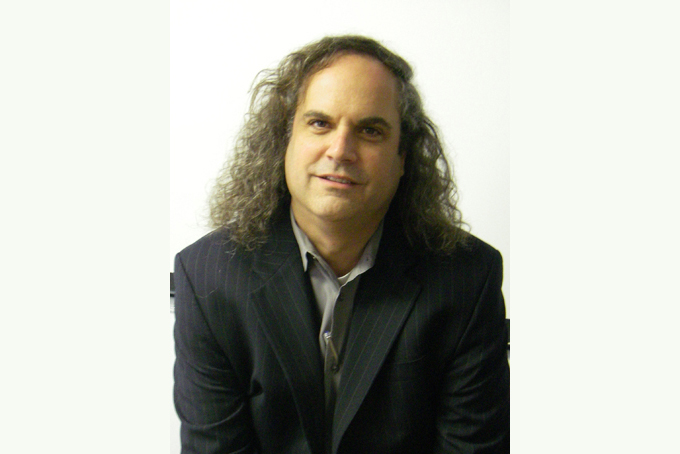
Pittsburgh, PA – The Pittsburgh Community Reinvestment Group (PCRG) joins regional leaders in support of the kickoff of the Regional Transportation Alliance. The organization, of which mobility access stands as one of its core tenets, noted the potential that the Alliance plays in developing the region’s transportation priorities as well as ways to fund those.
“Transportation access is an overwhelming influencer on whether or not families – or entire communities – can stabilize and emerge from poverty,” said Ernie Hogan, PCRG Executive Director. “It’s why, along with access to land and capital, we put so much emphasis on transportation in our work. It’s why we need this conversation now, and why this process is so welcome.”
Hogan noted the challenges and opportunities facing Pittsburgh mobility, especially with its barbell demographics and changing mobility trends, and gaps that PCRG sees in the transportation network. Specifically, lack of mode choices beyond the car are historically underrepresented and holding back the region. “We live in a region with large elderly and large young adult populations. If we are to accommodate everyone – retain and attract new talent, make sure that our parents have a high quality of life, and create affordable, safe, walkable communities of opportunity for all – mass transit as well as pedestrian and biking expansion must be a part of this vision. It’s what our region needs and what will keep us accessible and competitive.” He added that PCRG will be encouraging its 55 member organizations – community and economic development corporations and neighborhood organizations representing the region’s urban core – to participate in the RTA.
“Our regional leaders have stepped up,” added Hogan, “and we all should respond. It’s rare that we – as a community – have such an opportunity to develop a vision like this. We all must seize this opportunity and participate. A vision is first. We hope this is the beginning that leads to transformational efforts that improve the region – especially for our residents most in need of this new approach.”
About Post Author
