In January of this year, I lost my grandmother. Born in Mississippi, she was the last of her generation in our family. She served as our griot, or storyteller, linking the old to the new. As a child, she lived with her grandparents. They were former slaves.
I share this because so often when we think about slavery we relegate it to ancient history. For some it is almost inconceivable that a wealthy and religious nation like the United States could have allowed this horrific institution. They refute its severity, disregard its legacy and minimize the brutality inflicted by those who held and abused slaves. With increasing frequency, they blame the victims.
There really is no way to clean this stain from our history. What we can do, however, is show some understanding of the lasting impact that the institution of slavery has bequeathed to the present day, and figure out ways to mitigate the damage.
Why is this relevant in 2015? There are rising pressures to rewrite our history. There are those on the far right who don’t like how slavery reflects on historic white America. This history doesn’t sit well with their modern sensibilities. And this makes dealing with the legacy of racism that slavery instilled in our society all the more difficult to manage.
This past weekend, fresh off my daughter’s 13th-birthday-party sleepover, I was too groggy to embark on my ritual of coffee and the Sunday paper. Once the din of giggling voices quieted, I popped open my laptop to steal a few moments and grab the headlines. I had no clue of the rising tide of rage that awaited me.
On Facebook, Twitter and in my email, heated exchanges almost melted my computer. At the center of the storm was last Sunday’s Pittsburgh Post-Gazette commentary by columnist Jack Kelly, “Remnants of Slavery: White Guilt Is Not Helping Black America.”
Anxious to catch up, I grabbed a stronger cup of java and dug in.
I read it, and I read it again. I then checked my URL to make sure I’d not accidentally landed on the satirical news pages of The Onion. Did Mr. Kelly just suggest that, compared to slaves elsewhere, the slaves in the American South and in the Caribbean really didn’t have it that bad?
Unfortunately, I read on, my coffee growing cold and bitter. Mr. Kelly assured his readers that black Americans are racist, too, and that white people shouldn’t shoulder any guilt for a slave system their ancestors put into place. He then “dropped the mic,” stating that many black people in America “are better off than if their ancestors had remained in Africa.”
I would have been less surprised if I were reading from a high school newspaper in Lapazoola, La. I would have concluded that the remnants of Southern racism, combined with poor education and little exposure to the larger world, produced this column. But no such excuses explain Mr. Kelly’s appalling conclusions.
Many of us have watched in horror as Islamic State followers destroy historical monuments and documents. They are ridding themselves of cultural remnants not to their liking, depriving the generations behind them of knowledge about the past. By doing so, they also increase the chances that, with memories lost, past mistakes will be repeated. While Mr. Kelly and his ilk haven’t revved up the bulldozers, they are spinning theories that minimize the impact of inconvenient truths like slavery.
Just a bit of research on the long-term impact of slavery would have revealed to him a large body of work that examines the intergenerational suffering that lingers in people who have experienced mass trauma. Similar research has been done on the psychological and emotional wounds passed down through the generations by victims of the Holocaust and Native Americans.
There also is plenty of work exploring paths to recovery and healing. None offer a quick fix, and all require the collective will of a community to confront its wrongs and try to make them right.
Although we are generations removed from slavery, the journey from being chattel, to being segregated and denigrated by Jim Crow, to being housed in stagnating ghettos has been traumatic. Even now, black Americans have to manage through the cumulative impact of daily microaggressions in word and deed that, in effect, enforce the racial divide.
There is no doubt that the bridge over troubled waters built by the civil rights movement of the 1960s and ’70s had a massive positive impact. Discriminatory laws were abolished and a large black middle class arose that even cleared a path to the White House.
But for far too many African-Americans the impact of inferior schools, low-wage jobs and fractured families continue to dog their progress as the privatized prison complex grows heavy with a cash crop of black men trapped by unequal sentencing.
As advocates address these issues, they are challenged by new attempts to overturn the gains of the civil rights movement, ranging from limiting voters’ rights to reintroducing aspects of legal discrimination.
So, hand out your “Get Out of Guilt Free” cards to your friends, Mr. Kelly. For the rest of us who are unafraid to face our country’s past and the realities of the present day, we will continue to work together to build a strong and diverse citizenry. We will work in ways that honor those who suffered great loss to build this wealthy nation. Their history is safe in our hands.
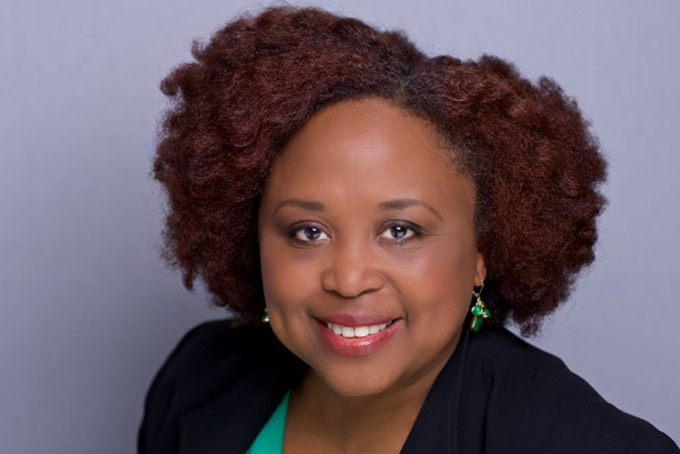
Cheryl Hall-Russell is the president and CEO of Hill House Association and Hill House Economic Development Corp. (challrussell@hillhouse.org).
This commentary originally appeared in the Pittsburgh Post Gazette Sept. 20, 2015.
About Post Author
