You are entitled to change your mind.
You don’t have to apologize or admit you were wrong. Just act on your new convictions and, sooner or later, someone will notice your different opinions, improved ideals, and open mind.
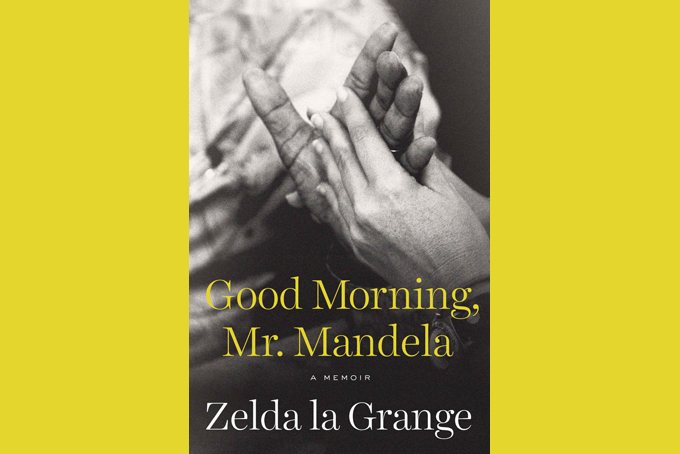
For most of her life, author Zelda la Grange held beliefs that everyone around her shared. In the new book “Good Morning, Mr. Mandela,” she explains how those tenets changed, and who led her there.
Though she was born into a “very poor” family, Zelda la Grange had it better than the black citizens of Johannesburg in 1970: as an Afrikaner “boere-meisie,” she enjoyed legal privileges that came with being white.
“We were happy children growing up in apartheid South Africa,” she says, having been taught that blacks and whites never mixed. Blacks were “dangerous.”
After receiving secretarial training, la Grange’s first job was with the South African government. It was a “riveting and dangerous” time then; apartheid had ended, whites feared black reprisals, and South Africa had inaugurated its first democratically-elected black President whose office happened to need a typist. Knowing very little about the man for whom she’d work, la Grange applied for the position.
About Post Author
