
There’s an old school saying “When America catches a cold, Black America catches the Flu”.
Well, in the case of Black nonprofit organizations, from here on referred to as Community Benefits Organizations, they’re suffering from pneumonia.
With the economic crash, nonprofits were low on the totem pole of priorities. Now, as most experience an economic recovery, they still haven’t found a place on the priority list.
They’re closing, merging…losing community footing and derailing from authenticity. The relevance of what is uniquely offered by having an ear-to-the-ground approach has been dubbed “lack of capacity” and “fatigued”.
Let’s first give some context to the idea of Community Benefits Organizations.
Community Benefits Organizations (CBO’s) have moved beyond the historical premise of nonprofits…A feel good, volunteer opportunity where good hearted people spend a few hours a week with small donations. They must be recognized for the BENEFITS and value they bring to the community. In communities where there are underperforming schools, limited family support, blight, depressed business districts, high crime and violence with dense populations, you need community anchors, assets if you will to fill in those gaps. Because of that, you find multiple CBO’s that are smaller in nature, yet close to the ground with people that are familiar and comfortable with the community they serve. However, this relevance is quickly becoming unimportant in the scheme of things.
When compared to larger, mainstream organizations, they appear dysfunctional, mismanaged and unnecessary in their current form. Because they were often created from a place of passion to serve a need, they haven’t always had in place business models and infrastructures to support the growing needs of the organizations and the communities. Couple that with home grown organizational founders and grassroots workers with little resources, you may find that best practices get convoluted with decisions necessary for immediate resolutions. There is no argument for best practices and sustainability. They are absolutely necessary. Just as important, getting mainstream supports to embrace the relevancy of CBO’s in their natural state. This “conversional thought process” makes it difficult for CBO’s to ever have the capacity, understanding and frankly power to overcome the disconnect with mainstream expectations without moving away from its core community competencies.
Recently in Pittsburgh, there have been several Black organizations that have closed, merged with larger mainstream organizations or mainstream organizations have crept into community based territory, making it difficult to keep the CBO’s moving forward with authenticity. All of that begs the question, who’s responsible for protecting our assets?
Is it the disadvantaged communities’ CBO’s serve with little resources? Is it the government which has proven to work, yet face their own internal challenges? Would it fall upon the shoulders of those who have greater opportunities at success, individuals….corporations? Should we look to the philanthropic community to provide support based on their missions as it relates to their investments? Further, if these are viable options then who manages how all of these entities provide equitable support?
In the Black community, we must begin to have honest conversations on our pneumonia status. We must truly acknowledge that our institutions and programs are suffering. We must enlighten the community-at-large with information that aids in explaining how and why we’re suffering. In that, we must identify the relevance of CBO’s, what they stand for and more importantly, what would the community look like without these organizations.
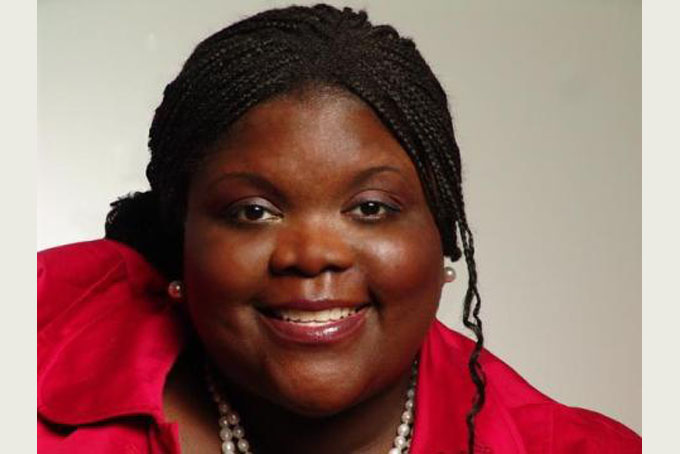
Editor’s Note: Bernadette Turner is executive director of Addison Behavioral Care, a nonprofit organization providing culturally sensitive services to families and individuals, helping them improve their quality of life, specializing in substance abuse prevention, intervention and treatment. Learn more about Addison at www.abcpgh.org.